
On the last Wednesday in September, we celebrate “Women’s Health and Fitness Day.” Because your oral health plays such a large role in your general health and well-being, let’s look at a few of the ways you can treat yourself with the care you need and deserve at different stages of your life.
Puberty
Puberty begins around the ages of 8 to 13, and typically lasts from 2-5 years. During this time, our bodies begin to produce the hormones estrogen and progesterone, which affect not just the reproductive organs, but our brains, hearts, skin, hair, bones, and more. These hormones can also affect our oral health.
Hormonal fluctuations make gum tissue more sensitive to irritants like plaque and bacteria. You might find that your gums are swollen, tender, red, or bleed easily.
What you can do:
Keeping up with your dental hygiene is the best defense against gingivitis. Even if your gums feel a bit tender, it’s important to keep up with your brushing and flossing because proactive dental hygiene can reverse gingivitis before the condition becomes more serious. If symptoms persist, a visit to the dentist is in order.
Menstruation
Elevated hormone levels can also cause gingivitis during the menstrual cycle, usually beginning a few days before the start of your period and ending soon after your period begins. Some women also experience canker sores and swollen salivary glands during this window.
What you can do:
Be mindful of any oral changes during your menstrual cycle. Pay special attention to dental hygiene, and, if you develop canker sores, talk to your dentist or doctor about the best way to care for yourself while they heal.
Pregnancy
Pregnancy brings about many physical changes, including potential changes in your oral health.
Pregnancy hormones cause an increase in the blood supply to your gums while at the same time making them more vulnerable to irritation from bacteria and plaque. You may find that your gums are redder, more swollen, and more likely to bleed when brushing.
During pregnancy, increased hormone production helps relax and loosen ligaments and joints in preparation for birth. Teeth are held in place by ligaments, and you might be alarmed to discover your teeth are looser as well. Typically, this situation resolves when the baby is born.
Some pregnant women may also experience pregnancy granulomas. These dark red swellings are benign tumors which appear along the gumline. These generally shrink on their own, but, if a granuloma is causing you pain or discomfort, your dentist can remove it surgically.
What you can do:
Let your dental team at Gina B. Pinamonti, DDS Orthodontics know right away when you learn that you’re pregnant. You’ll get helpful advice about brushing and flossing techniques, pregnancy-related oral conditions to look out for, when to schedule dental treatment and cleanings, a tooth-healthy diet, and more.
Menopause and Later Years
As we age, there’s an increased risk of oral health issues.
Osteoporosis causes loss of density in the bones—including the bones and bone tissue which hold our teeth in place. Studies indicate that women with osteoporosis suffer significantly higher tooth loss than women who don’t have the disease.
Saliva helps protect the teeth from cavities by washing away bacteria and food particles and by neutralizing acids in the mouth. Reduced estrogen production, medications, and medical conditions such as diabetes can all cause dry mouth.
About 2/3 of older Americans have gum disease, which is one of the leading causes of tooth loss in adults. Lower hormone levels have been linked to increases in periodontal diseases.
Oral cancer is more common as we age, and, while men are affected almost three times as often as women, we should be aware of the common symptoms of oral cancer, including a sore in the mouth which doesn’t heal, a lump or thickening in the mouth, red or white patches on the tongue, gums, and other oral tissues, loose teeth, or persistent earaches or discomfort when eating or swallowing.
What you can do:
Visit your dentist and doctor for preventative care and whenever you are concerned about your oral health! Whether it’s helping you prevent osteoporosis and dry mouth or discovering dental and medical conditions early, when they are more likely to be treated successfully, regular visits to your dentist and doctor can help ensure that you have years of happy smiles ahead.
At Any Time of Life
Let’s talk a moment about something which isn’t limited to any one phase of your life—orthodontic treatment!
Straighter teeth and a healthier bite aren’t gender-related. Women and girls don’t have different orthodontic needs from men and boys. They don’t require different types of braces or appliances. But there is one difference in the sexes—women and girls choose orthodontic treatment more often. Good for us! And let’s encourage the men in our lives to do the same.
Why? Because orthodontic treatment does more than give you an attractive smile. You and Dr. Gina Pinamonti work to create an attractive, healthy smile. A well-aligned bite can lead to healthier teeth and gums, more comfortable jaw movement, and even improved facial symmetry. And, while it helps to begin treatment early, while the bones are still forming, as long as our teeth and gums are healthy, we adults can reap the benefits of a beautifully aligned smile as well.
What you can do:
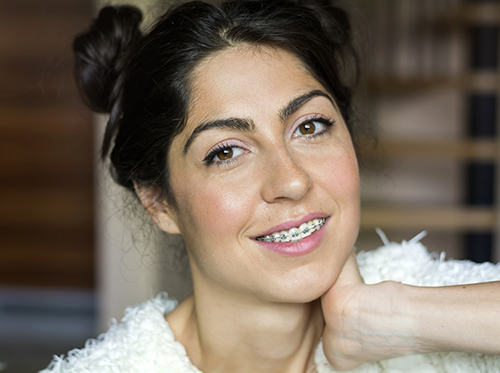
Today’s orthodontic treatment is more comfortable and effective than ever before. Women of all ages are benefitting from the latest treatment options, including smaller and lighter traditional braces, discreet aligners, and lingual braces attached to the back of the teeth. If you’ve always wanted straighter teeth, or if you have bite discomfort, or if your teeth have shifted with age, make an appointment with Gina B. Pinamonti, DDS Orthodontics in Pittsburg, KS for an evaluation.
Missed the date this year? No worries! Women’s Health and Fitness Day is one day in September, but every day in the calendar is a good day to think about your oral health. Partner with your dentist, your doctor, and Dr. Gina Pinamonti to help make your healthy smile something to celebrate all year long!



 Website Powered by Sesame 24-7™