Our Blog

Post-Braces Care: Wear your retainer!

September 25th, 2018
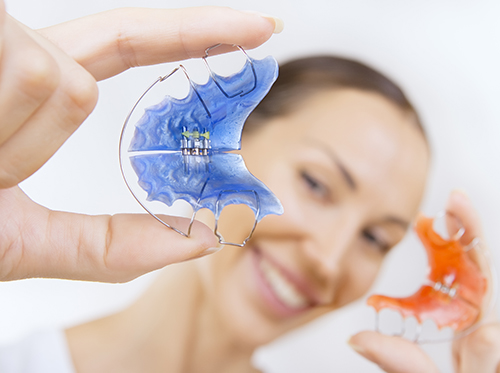
Many patients underestimate the importance of wearing their retainers after their braces come off, but it is one of the most critical post care practices to keep your teeth in alignment. Why spend all that time, energy, and money to straighten your teeth when you don't plan to keep them straightened after treatment?

What is a retainer?

As the name implies, a retainer keeps teeth from moving back to the positions in which they started before treatment was administered; they "retain" your smile and bite. There are many different types of retainers—some are removable and some are permanent. Some retainers are made of plastic and metal (known as Hawley retainers) and others are all plastic or all metal. Some retainers can even be bonded to the back of your teeth!

How long do I need to wear it?

If you've been given a removable retainer by Dr. Gina Pinamonti, you may be wondering how long you need to wear it. It takes time for the tissues and bones around your teeth to reorganize and set into place after braces treatment.

The amount of time you’ll need to wear your retainer depends on your unique situation, but typically, retainers should be worn at least as long as the time you spent in braces. You might need to wear them full-time for a while, and then transition to wearing them only at night. Dr. Gina Pinamonti will have a treatment plan especially for you, and if you stick to it, you'll always have a straight smile.

Nothing is forever (at least without retainers!)

Research has shown that there is no “permanent” position for your teeth to remain in. In fact, some studies say upward of 70% of patients will see a change to their bite and tooth alignment as they get older. This applies to people who have had orthodontic treatment and those who have not. Of course, some people's teeth never seem to shift—you can consider them the lucky ones, as most people's teeth do.

And this is precisely where retainers come in. The only way to ensure your teeth stay in alignment long-term is by wearing your retainers. If you have any questions about retainers or your treatment plan, please ask any member of our Pittsburg, KS staff.
Too old for braces? You Might be Surprised

September 18th, 2018

Although adolescence is a common time to get braces, there’s no reason for adults of any age to have to deal with crooked teeth, overbite, underbite, or other dental issues. In fact, the American Association of Orthodontists notes that demand for orthodontic treatment in adults continues to grow, with adults representing 20% of new patients.

You’re never too old for braces or other orthodontic appliances, but it’s important to consider the following:

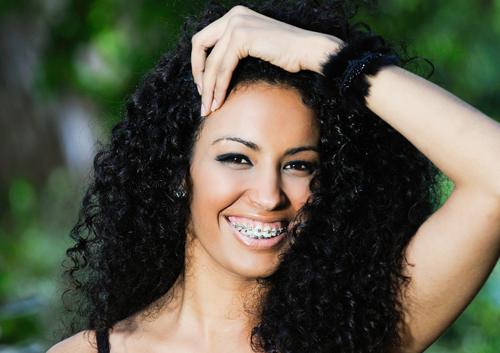
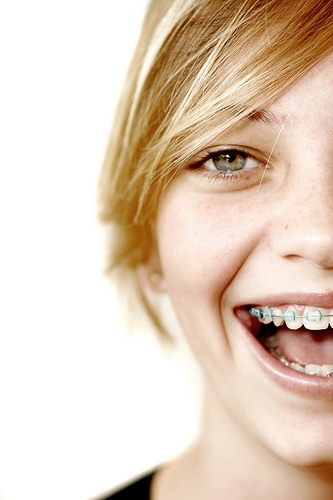
  1. Braces don’t have to be as noticeable as the metal brackets of the past. Many adults opt for ceramic or plastic braces, which are bone-colored or clear, respectively. Another option is a lingual appliance, which attaches to the back side of your teeth. These so-called “invisible” braces are much less noticeable than traditional options.
  2. By adulthood, bone growth has stopped. This means that certain structural changes can only be achieved by surgery. Although this typically affects people with significant crowding, bite, or jaw problems, Dr. Gina Pinamonti can provide an individualized treatment plan that addresses your unique issues.
  3. Treatment may take a bit longer. The length of orthodontic treatment tends to be slightly longer for adults than adolescents. Exact estimates vary by individual, but the average length of time for adult braces wearers is two years, according to the Harvard Medical School.
  4. Outcomes are just as good for adults! Many adults worry that it’s too late to treat their orthodontic problems. However, treatment satisfaction tends to be very high, which is a testament to how effective braces can be in middle-aged and older adults.

Besides straight teeth, what are the benefits of braces?

September 11th, 2018

Everyone wants a naturally aligned and beautiful smile, and it is no secret that orthodontic braces from Gina B. Pinamonti, DDS Orthodontics can help deliver one. However, there are greater benefits to wearing braces than just having straight teeth. You’ll gain many oral health benefits in addition to the cosmetic ones.

Tooth Decay and Gum Disease

Crooked or crowded teeth may overlap each other and create tight spaces in between. These can make it very difficult to brush and floss effectively, allowing bacteria and plaque to build up, and eventually leading to tooth decay and gum disease. With orthodontic treatment, your teeth will become properly aligned and spaced, which allows for more effective brushing.

Difficulties with Speech

Your teeth play an essential role in speech. When they are out of line or lean too far forward or backward, this can affect your speaking patterns, and possibly cause embarrassment and frustration. Braces can readjust the positioning of the teeth to allow for clearer, more professional speech.

Bone Erosion

Bone and gum tissues begin to erode when there are no teeth to support. This is also true for poorly aligned teeth that leave gaps and spaces or place too much pressure on the jawbone due to a bad bite. With braces, the bones and tissues are less likely to erode and can continue to support the teeth in their new alignment.

Digestion

Your teeth play an important role in digestion. Before food ever enters your stomach, it has been partially digested by the teeth. If teeth are severely out of line, however, they may not play their role in breaking down food as effectively as they should. With braces, your teeth will be straightened into optimal alignment for eating and chewing.

Dr. Gina Pinamonti and staff will be happy to answer any of your questions about your orthodontic treatment. Visit us in Pittsburg, KS today!

Going Back to School with Braces

September 4th, 2018

Going back to school is already an exciting (and sometimes nerve-racking) time so we don't want your braces adding to that. Our Pittsburg, KS team has compiled some helpful tips to make the process as easy and fun as possible.

1. Make sure you pack or purchase braces-friendly lunches

Try to avoid overly crunchy foods (think carrots, celery, hard crackers) especially if your teeth are sore from having your braces tightened. But you shouldn't stop eating healthful foods that fall in this category. For instance apples can be sliced into wedges or carrots can be cut into coins.

You should also avoid sticky foods like candy or gum that can and will stick in your braces like glue! Softer foods are easier on your teeth and braces, so aim to make a good portion of your lunch on the softer side.

2. Have a braces kit in your backpack or locker

Having some useful items on hand at school when you need them is one of the most helpful things you can do. Pack some wax for sores or tenderness, floss and/or flossing tools made for braces, a toothbrush and toothpaste, a small cup for rinsing, a small mirror to check for trapped food, and some lip balm if your lips tend to chap. With these tools on hand, you'll avoid most if not all braces-related nuisances!

3. Know that you're not alone

If you're feeling self-conscious about your braces, don't. Be proud of them! There are many other people your age who have braces, and if they don't have them now, they probably will in the future. Relax and know that you're on the path to a straighter and healthier smile.

If you have any questions about making your transition into "braceshood," just ask Dr. Gina Pinamonti or any member of our Pittsburg, KS team! We're here to help make your braces experience (and your smile) the best it can be.

Top.