Our Blog

Permanent or Removable Retainers: Which is right for you?

November 20th, 2018

When the time comes for Dr. Gina Pinamonti to remove your braces, it is very exciting. Unfortunately, it can be somewhat confusing, too, because you are faced with choosing between two kinds of retainers. Should you go with permanent, removable, or a combination of the two? It is always wise to follow Gina B. Pinamonti, DDS Orthodontics recommendations, but knowing more about the two types of retainer beforehand can be helpful.

Removable Retainers

Removable retainers offer the advantage of easy use: you will generally put a removable retainer in at night and take it out in the morning. Regardless of your retainer schedule, you'll be able to enjoy some time with no retainer. However, a removable retainer can easily be forgotten at times, and this means you won't be taking full advantage of teeth retention.

Another potential advantage of a removable retainer is that you can take it out and brush and floss your teeth with ease, which is more of a challenge with a permanent retainer. Although removable retainers can be very effective, they don't tend to be as effective as permanent retainers, especially if they are not used as directed.

Permanent Retainers

Permanent retainers are the clear choice for patients who want to “get it and forget it.” Once your permanent retainer is placed in your mouth, you won’t need to worry about daily retainer schedules, since it is permanently affixed to your teeth.

Because teeth begin to shift naturally as we age, a permanent retainer typically offers better long-term results for teeth straightening than a removable one. You can't forget to put it in — it's already there! Temporary retainers get lost or are forgotten on trips, and often fail to get used as often as they should be.

One drawback to permanent retainers is flossing. Some patients find it more difficult to floss with a permanent retainer, but we can show you effective ways to floss fairly quickly with your permanent retainer.

Some orthodontists may recommend a combination of the two; for example, a removable retainer for the top teeth and a permanent one for the lower ones because the lower teeth are smaller and tend to shift more.

Ultimately, the most important thing to remember is that wearing your retainer as directed is extremely important. As long as you follow our orthodontist’s advice, you will get the best results from your retainer, regardless of its type. If you’re still not sure whether the choice you’ve made is truly right for you, get in touch with us at our Pittsburg, KS location right away!
Play Sports? Use Mouthguards.

November 13th, 2018

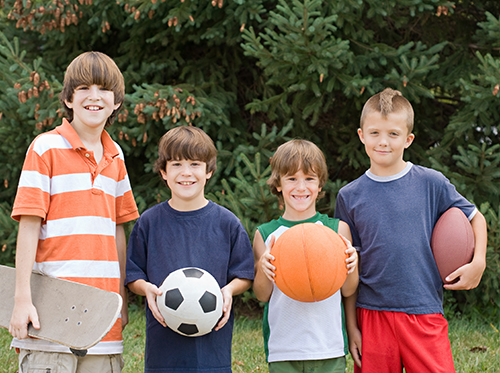
Dr. Gina Pinamonti and our team recommend always wearing a protective mouthguard to participate in most physical sports. We especially encourage this if you have braces that can potentially cut your mouth or cause damage to your teeth. You have various choices to consider when you’re looking for a protective mouthguard.

One option is a full facial guard, which is often used for contact sports, such as football or hockey. This type offers full protection of the face from external impact. You should also consider an additional mouthguard to protect yourself from cuts inside your mouth, and avoid possible damage to your braces.

Boil-and-bites are another version of mouthguard that can be used for more physical sports. This type is used just the way its name implies: You warm the mouthguard in water to soften the material, then bite down gently once it’s at the correct temperature to form it into the shape of your mouth. These are fine to use temporarily, but they don’t always provide the best protection if they don’t fit properly.

Another option is to have Dr. Gina Pinamonti make a custom mouthguard for you. The mouthguard will be designed with built-in layers to protect both your teeth and braces when it’s worn. Having Dr. Gina Pinamonti create a custom-fitted mouthguard will ensure optimal protection and a comfortable fit whenever you participate in physical activities.

Protecting your teeth and braces is essential when you compete in sports. Accidents happen, and having a preventive mouthguard can potentially save you from oral pain and damaged braces. Our Pittsburg, KS office is happy to assist you in creating a custom-made mouthguard for any sports activities you want to pursue.

If you’ve experienced a mouth injury that has caused damage to your braces, please contact us immediately so we can fix the problem right away. Remember, prevention is key when it comes to your oral health!

Braces-Friendly Foods

November 6th, 2018

Having braces can be frustrating when you have to be cautious about eating certain foods or having to avoid them altogether. Making sure your braces don’t bend or break is vital when you’re trying to straighten your teeth quickly and properly. Dr. Gina Pinamonti and our team have come up with a list of foods to avoid, and which foods you can enjoy while you have braces.

No matter how careful you are, excessive chewing of hard-to-eat foods will eventually cause problems for you and your braces. Knowing what you can and cannot eat at a meal may be helpful when you first get your braces on.

Some foods are too hard for braces, because they can break wires or create damage that will have to be fixed by Dr. Gina Pinamonti. Avoiding the following snacks will prevent this from occurring:

  • Hard candies
  • Gum
  • Nuts
  • Popcorn
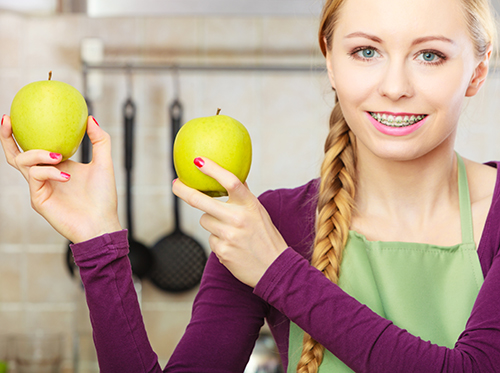
  • Some hard raw vegetables or fruits (carrots, apples)
  • Ice
  • Chips

There are plenty of safe options for breakfast. They include eggs, yogurt, pancakes, oatmeal, soft toast, bananas, and even bacon.

For lunch, avoid hard or abrasive foods, undercooked vegetables, or apples. Safer options include a delicious stew, soft-breaded deli sandwich, or a mixed salad. Always be careful when biting into foods, and try to cut solid meal items into small chewable portions whenever possible.

A healthy braces-friendly dinner can come in many forms. Soft, steamed vegetables paired with a lean protein make a great option. The addition of rice or quinoa can complete the meal. Just remember to brush and floss after, because these small grains are likely to get stuck between braces and teeth.

During your treatment, Dr. Gina Pinamonti will tighten your braces at each checkup. Braces tightening can sometimes leave your teeth feeling sore afterward. During this time, we recommend picking soft food options until the pain goes away, such as:

  • Pudding
  • Mashed potatoes
  • Soup
  • Ice cream
  • Cottage cheese
  • Peas
  • Pasta
  • Yogurt
  • Muffins

It’s also essential to pay close attention to your oral health routine. When food is stuck between braces, you’re more likely to experience plaque and decay buildup. If you want to keep your teeth from appearing discolored when your braces come off, keep up with brushing and flossing after every meal!

If you notice your braces are damaged after you’ve eaten a meal, contact our Pittsburg, KS office to schedule an appointment right away. Our team is here to help with any issues that come up while you are in braces, and to answer any questions you may have about which foods you can and cannot eat.

Don’t let braces ruin your Halloween

October 30th, 2018

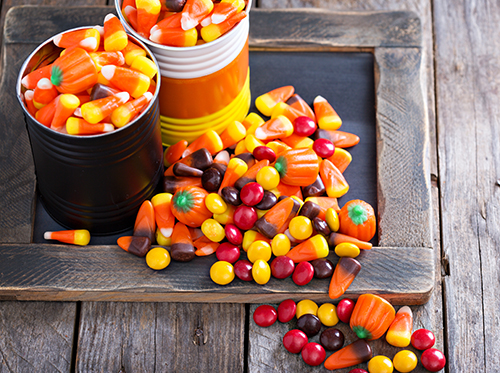
Halloween is a time to enjoy delicious candies you might avoid the rest of the year. Youngsters who get to dress up and ask for sweet treats out trick-or-treating cherish this holiday.

If you have braces on, Dr. Gina Pinamonti would like you still to have fun and celebrate Halloween this year!

It’s easy to get carried away on Halloween by eating too much candy at once. Most parents try to prevent the all-too-common sugar high their kids experience on Halloween night. While there are certain candies that should be avoided, not all candy will cause problems for kids with braces. After trick-or-treating, you could trade unsafe candies with siblings and/or friends so they don’t miss out on the sugar buzz.

Dr. Gina Pinamonti and our team have come up with a list of teeth-friendly treats that should keep you from worrying about breaking your braces. We also came up with a list of candies to avoid, so as to save you a trip to our Pittsburg, KS office. Remember to be extra careful when you indulge this Halloween!

Braces-Friendly Sweets

  • Solid chocolate: Milk, white, or dark
  • Nougat-filled candy bars: Three Musketeers
  • Powdery candy: Sweet Tarts, Pixie Stix
  • Mint-flavored candy
  • Malted milk balls
  • Soft cookies
  • Peanut butter crackers

Avoid These Treats

  • Sticky candy: Starbursts, toffee, Tootsie Rolls
  • Hard candy: Suckers, Jolly Ranchers
  • Taffy
  • Caramels
  • Fruit chews
  • Gum
  • Caramel apples
  • Skittles
  • M&Ms

When in doubt, ask Dr. Gina Pinamonti if a particular candy is safe to eat when you have braces. We hope you enjoy your Halloween sweets, and look forward to seeing you at your next appointment! Happy Halloween!

Top.